Meet Rebecca Woflinger: Community Director at Toolpath, Co‑Owner of Mil‑Spec Manufacturing LLC., and Contributor to Practical Machinist.
Wolfinger’s career in manufacturing did not begin with a job posting, it began with building a machine shop from the ground up. By mastering the business, the craft, and the realities of shop life, she has become a trusted voice in machining industry, known for sharing what it actually takes to build a successful operation and a stronger manufacturing community.
From Building a Shop to Building the Skill
Rebecca’s entry into manufacturing began behind the scenes, launching a machine shop from scratch. In the early days at Mil‑Spec Manufacturing, she wore every hat: building the website, handling government registrations, developing SOP and QMS documentation, creating inspection forms, and implementing lean workflows to keep daily operations moving.
“A lot of people talk about tooling and cutting strategies, but almost no one talks about the business side of starting a shop. I was transparent about everything: the mistakes, the costs, the wins, and the reality of what it takes.”
That honesty, shared openly with the Practical Machinist community, resonated. Her following grew not because things looked perfect, but because they were real.
That openness was rooted in experience. Her background in horse farm management, delivering dairy cows, and culinary arts may seem unconventional, but in practice, it was the ideal preparation. Kitchens and machine shops both run on workflow, timing, organization, relentless problem‑solving, and quality.
Curiosity eventually pulled her onto the shop floor. She started at the bottom, cleaning coolant and chips. Jogging the table for the first time sparked something deeper. Breaking down setups turned into identifying causes of unusual machine behavior. Before long, she was running machines and pushing toward the full stack: read the print, programming the part, building the setup, dialing it in, and machining precise parts.
That drive to master the craft never stopped.
Community as a Force Multiplier
Starting a shop compresses a decade of learning into a few intense years. Rebecca leaned into that by sharing decisions and lessons publicly and in doing so, uncovered a truth many machinists recognize: “Machining might look like a solitary trade, but it’s actually built on shared knowledge.”
She encouraged shops to connect by sharing vendors, tagging strong partners, and funneling work to shops that were slow. With Brett Lister and Todd Lindstrom, she helped grow Collaboration Over Competition into a wider movement that celebrates knowledge sharing over secrecy.
That belief took shape locally as well. In partnership with the Rowan County Economic Development Council, Rebecca helped create tangible spaces for connection, including quarterly catered gatherings, fireside‑style owner panels, and a month‑long youth initiative that invited middle school students into shops to see modern manufacturing up close.
When a local high school launched a machining program, she rallied industry support behind it. What emerged was a grassroots coalition of manufacturers, educators, and civic leaders focused on strengthening the regional talent pipeline.
That same conviction shapes her role today as Community Director at Toolpath. She hosts the industry’s only live, weekly Zoom community call —a roundtable where featured guests and attendees problem‑solve in real time.
“People can jump in at any time to ask questions or share their perspective. There is nothing else like this call.”
The momentum also fueled the Machining Summit, built to capture the best part of IMTS: the people. The Summit blends shared meals and late‑night conversations with structured small-group sessions and on‑stage panels where leaders tackle real challenges and the future of manufacturing.
Back to School: Reframing Mastery
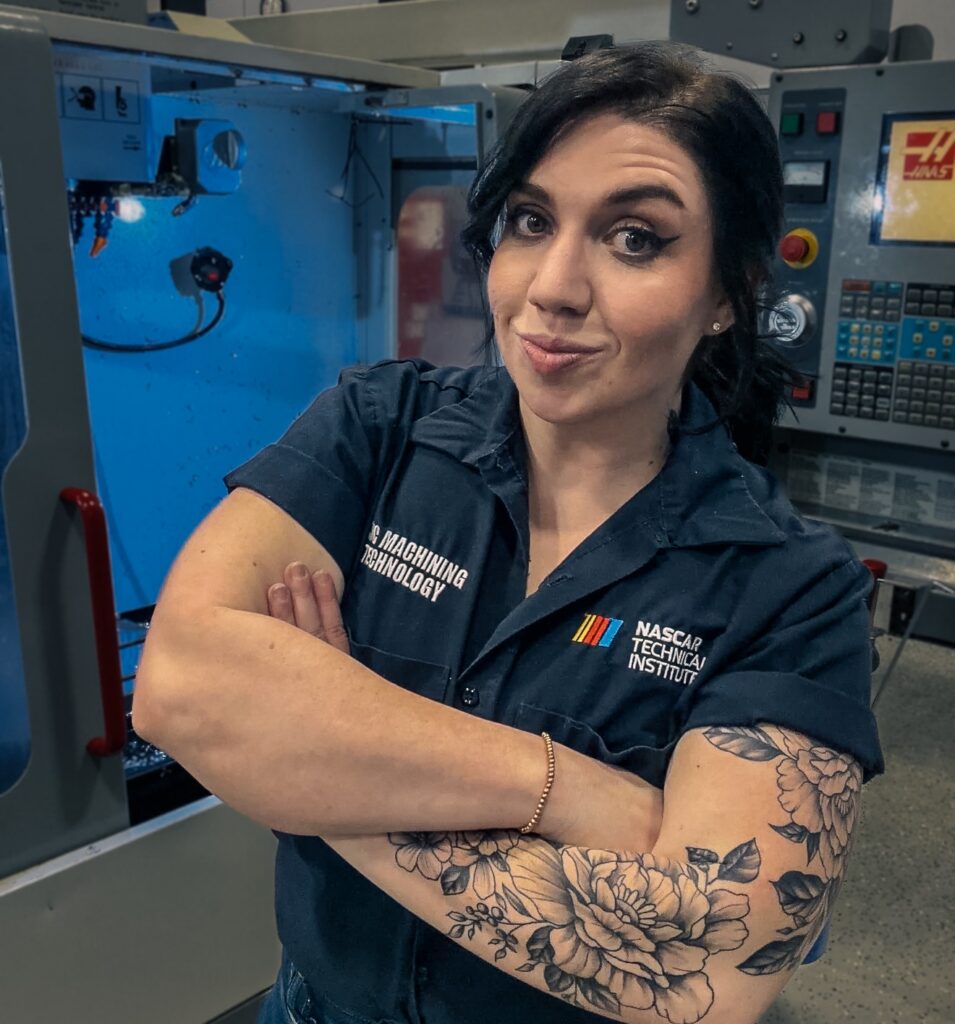
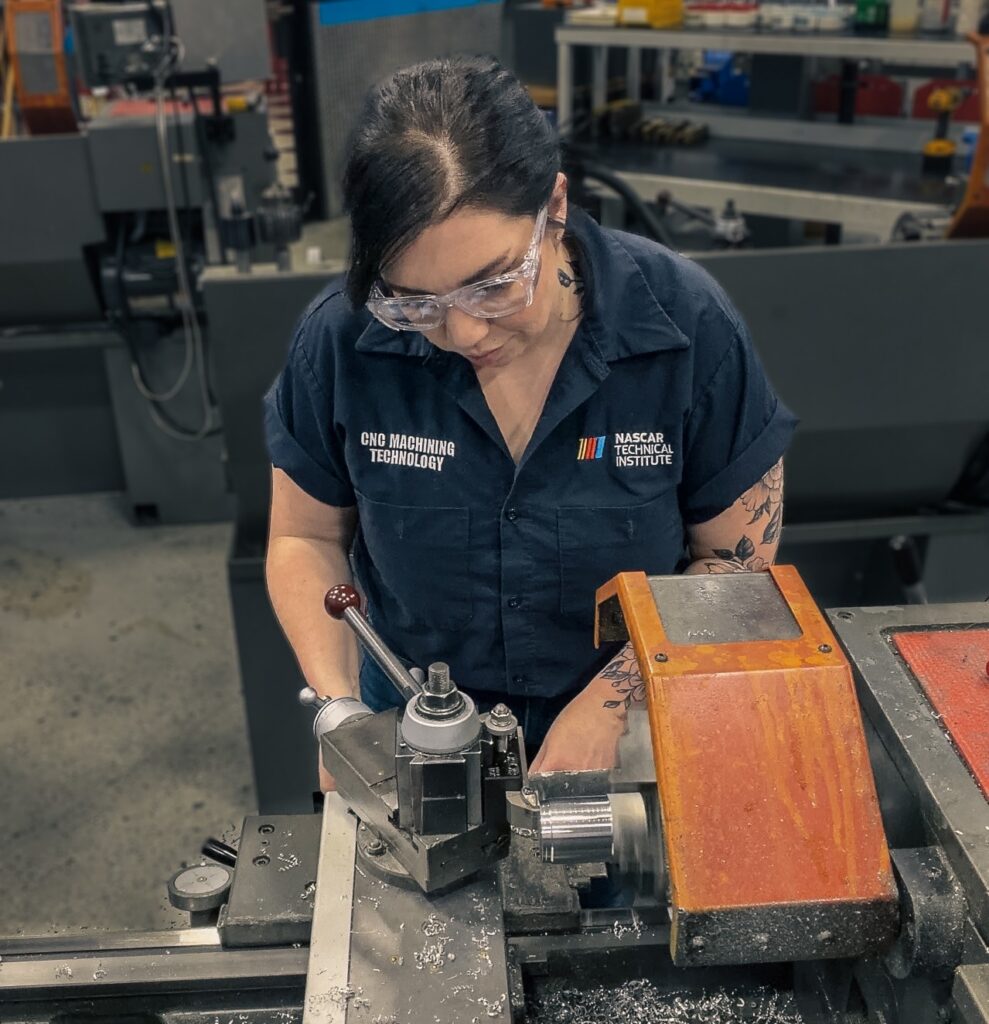
To deepen her craft, Rebecca made a deliberate choice to step back into the classroom, enrolling in a nine‑month CNC machining program. She traded production pressure for a more focused approach to learning.
“It gave me the opportunity to fully dedicate my attention to learning the craft without the pressure of having to be perfect right away.”
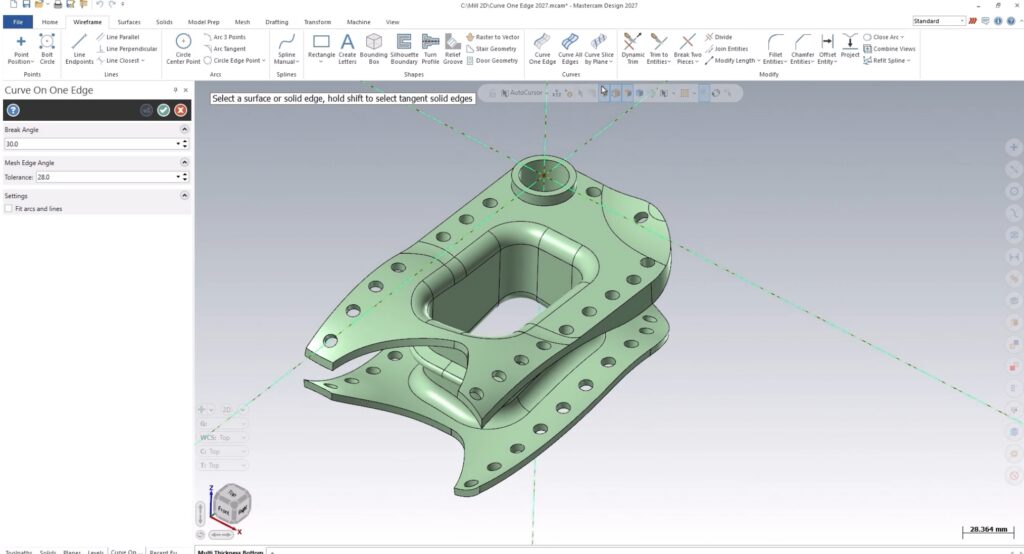
Beyond broad access to machines and metrology, the program centered its CNC programming around Mastercam, giving students a direct bridge from software to the spindle. Mastercam toolpath creation, posting, and verification became part of the daily rhythm: program the strategy, post the code, and validate it on the machine, closing the loop between digital intent and physical result.
Drawing on both student and shop‑owner perspectives, Rebecca created resource packets for the cohort, from podcasts and YouTube channels to free training platforms, student CAD/CAM licenses, and industry voices. On the CNC front, Mastercam tutorials helped students follow real projects step by step inside the same software they used in class, accelerating understanding of how toolpaths are built and why they work.
Knowing many machinists learn best by seeing, she filmed shop problem breakdowns and fixes, sharing them with classmates and instructors on Instagram. When those clips went viral, it underscored a simple truth: manufacturing gets better when people share what works.
Women in Manufacturing: A Clear‑Eyed View
Rebecca is direct about what it means to be a woman in the trade, without sugarcoating the realities. “I don’t want to be placed on a platform simply because I’m a woman. I want to be respected for the quality of my work, the skill behind it, and the impact it has on the industry. At the same time, representation does matter.”
Women in manufacturing remain relatively rare, though that is beginning to change. With increased visibility, however, often comes added pressure. Rebecca’s advice to those entering or advancing in the trade is clear and practical:
- Focus on excellence. Skill, professionalism, and reliability speak louder than anything else.
- Find strong mentors. Learn aggressively and commit to continuous improvement.
- Reach back. When the opportunity arises, help those coming up behind you.
“Right now we carry the weight of that microscope. It’s the burden of being early, clearing the path for the women coming behind us so that one day women in manufacturing will simply be ordinary, in the best way possible.”
Looking Ahead
Rebecca’s story offers a blueprint for the future of manufacturing, build the backbone, share the knowledge, master the craft, share the knowledge openly, and invest in the community. Her work demonstrates how continuous learning and collaboration strengthen not only individual shops, but the industry as a whole.
Whether she is hosting open conversations, mentoring students, or advancing her own skills, Rebecca embodies the collaborative spirit that strengthens manufacturing and helps power the next generation of machinists, programmers, and shop leaders.