Improve Efficiency, Surface Finish, and Toolpath Control
Multiaxis machining unlocks tremendous capabilities for manufacturers, but it can also introduce new challenges around programming complexity, collision avoidance, tool access control, and surface finish quality.
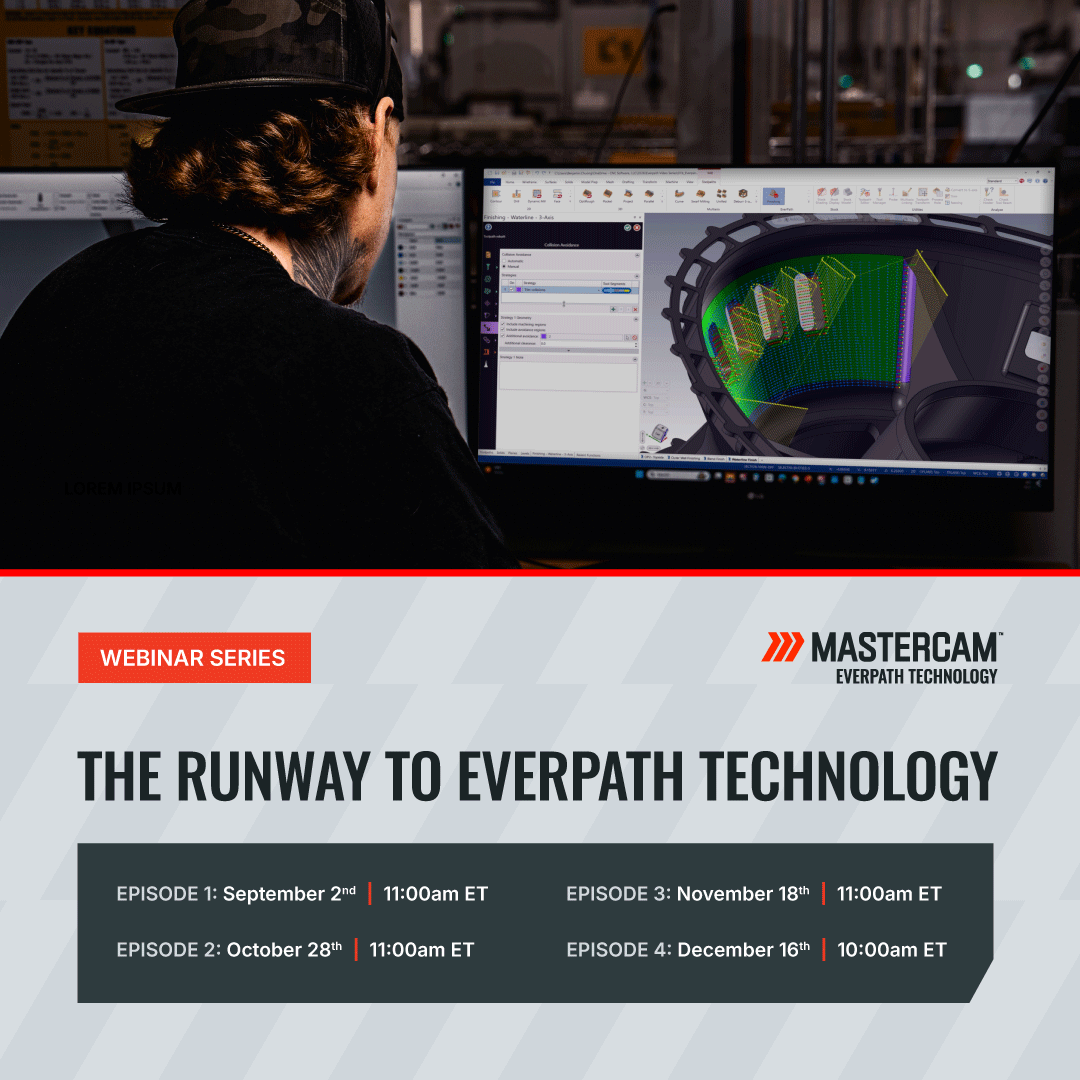
During our latest webinar, Benjamin Chuong, Applications Engineer III at Mastercam, shared several practical tips and techniques that can help programmers get better results from their Multiaxis workflows.
Whether you are just getting started with 5-axis machining or programming complex parts every day, these strategies can help streamline programming, reduce cycle times, and improve machining outcomes.
1. Start with the Cut Pattern First
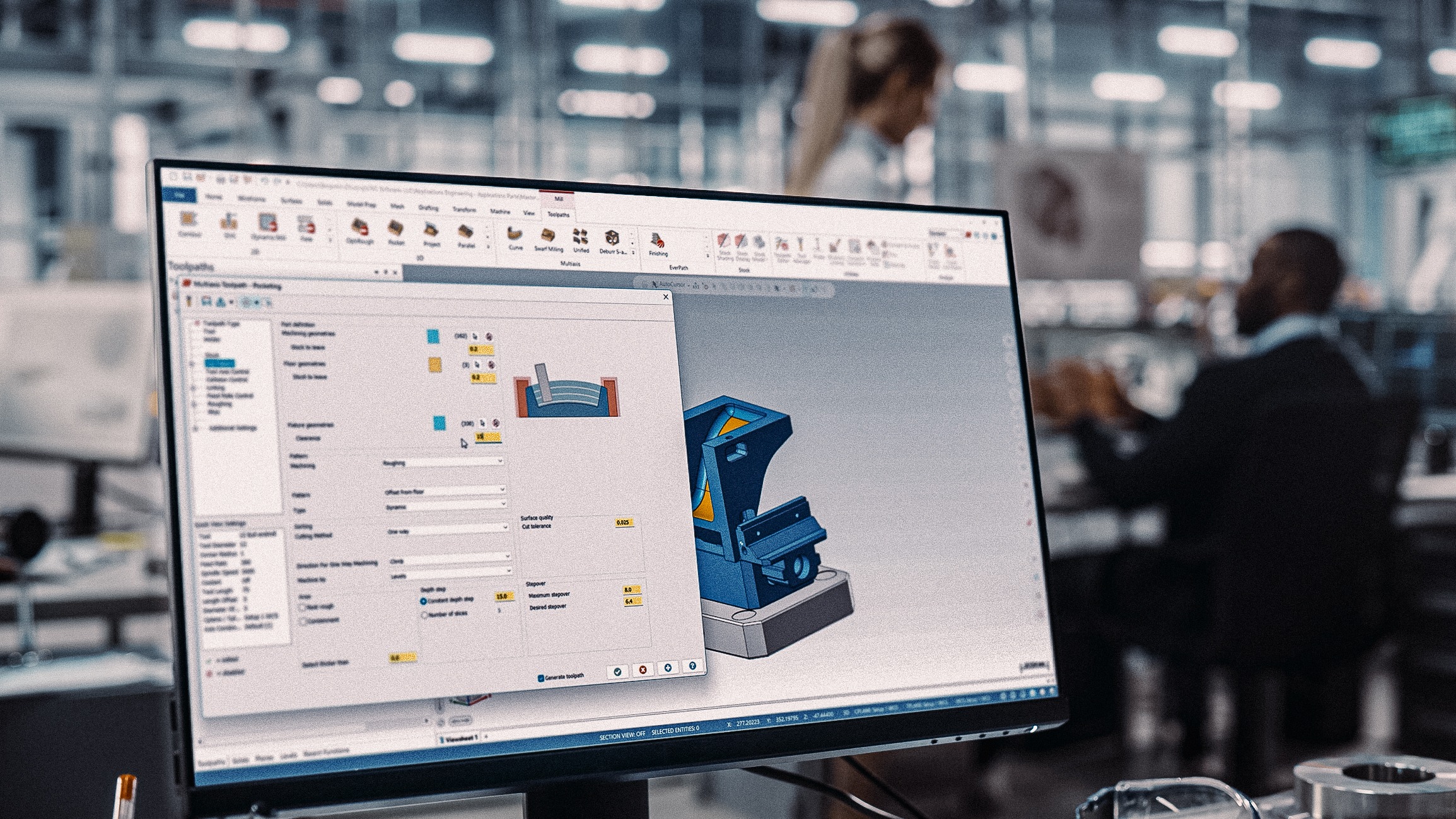
One of Ben’s most important recommendations is to focus on the cut pattern before adjusting the dozens of other settings available in advanced Multiaxis toolpaths.
When using Unified Toolpath, begin by defining how you want the tool motion to appear on the finished surface. Establishing the ideal toolpath pattern first makes it easier to evaluate results and prevents unnecessary adjustments to tool axis control or collision settings too early in the process.
A helpful workflow is:
- Select machining geometry
- Generate an initial cut pattern
- Use the Apply button frequently to iterate and review results
- Refine the pattern until the motion looks correct
- Only then move on to tool axis and collision control settings
This approach speeds up programming and helps you make more confident decisions.
2. Iterate Quickly with Loose Tolerances
Many programmers make the mistake of using final production tolerances during the early stages of toolpath development.
When testing different strategies, Ben recommends using larger stepovers and looser tolerances to reduce calculation times. Once you are satisfied with the overall motion and toolpath behavior, tighten the values to achieve the surface finish requirements of the final part.
This simple adjustment can significantly reduce programming time when working with complex Multiaxis operations.
3. Minimize Unnecessary Tool Motion
Excessive rotary motion can introduce acceleration and deceleration changes that negatively impact surface finish and overall machine performance. Ben recommends locking operations to three axes whenever possible and using tool axis strategies that minimize movement when full simultaneous motion is required.
Some effective options include:
- From Point
- From Chain
- Chain-to-Point strategies
These methods provide precise control over tool orientation while helping maintain smoother machine motion.
4. Use Collision Control Strategically
Collision avoidance is critical in Multiaxis machining, but it can also complicate toolpath development.
A key takeaway from the webinar was to avoid relying on collision control too early in the programming process. Instead:
- Build your desired cut pattern
- Define tool access control
- Achieve a largely collision-free solution
- Then activate collision avoidance features
By doing this, you can clearly distinguish between toolpath behavior you are intentionally creating and changes being introduced automatically by collision control algorithms.
Ben also emphasized the importance of checking more than just the cutting portion of the tool. When machining deep pockets or complex features, be sure to consider holders, shoulders, and other assembly components that could create unexpected interference.
5. Improve Surface Finish with Advanced Cut Pattern Options
For surface finishing operations, maintaining a consistent stepover is essential.
Ben highlighted the difference between Approximate and Exact cut pattern calculations within Unified Toolpath.
While Approximate mode generates faster results, Exact mode performs additional calculations to maintain more even spacing across changing surface topography. The result is a more consistent surface finish, especially on complex geometries where surface angles vary significantly.
If surface quality is a priority, spending a little extra calculation time can produce noticeably better results on the machine.
6. Unlock Better Results with Clean Core Strategies
Complex organic shapes can present unique challenges for tool access control and surface finishing.
One advanced technique demonstrated during the webinar was the “Clean Core” approach. Instead of driving the toolpath directly on a complex mesh model, programmers create a simpler internal surface that produces cleaner tool motion and more consistent tool axis control. Collision avoidance is then used against the final part geometry.
Benefits include:
- Smoother rotary motion
- More consistent tool tilt
- Improved stepover management
- Reduced machine stress
- Better overall finish quality
For highly sculpted parts, this strategy can be a game changer.
7. Don’t Overlook Tool Assembly Accuracy
One of the simplest but most impactful recommendations from the webinar had nothing to do with toolpaths themselves. Accurately modeling your tooling, holders, spindle components, fixtures, and machine environment can dramatically improve collision checking and programming confidence.
Multiaxis machining leaves far less room for assumptions than traditional 3-axis work. Investing a little extra time upfront to build realistic tool assemblies often prevents much larger problems during machine setup and prove-out.
Bonus Tip: Make Deburr More Efficient
For users leveraging Deburr, Ben recommended manually defining edges whenever possible instead of relying solely on automatic edge detection. This can reduce unnecessary tool motion and give programmers greater control over machining order.
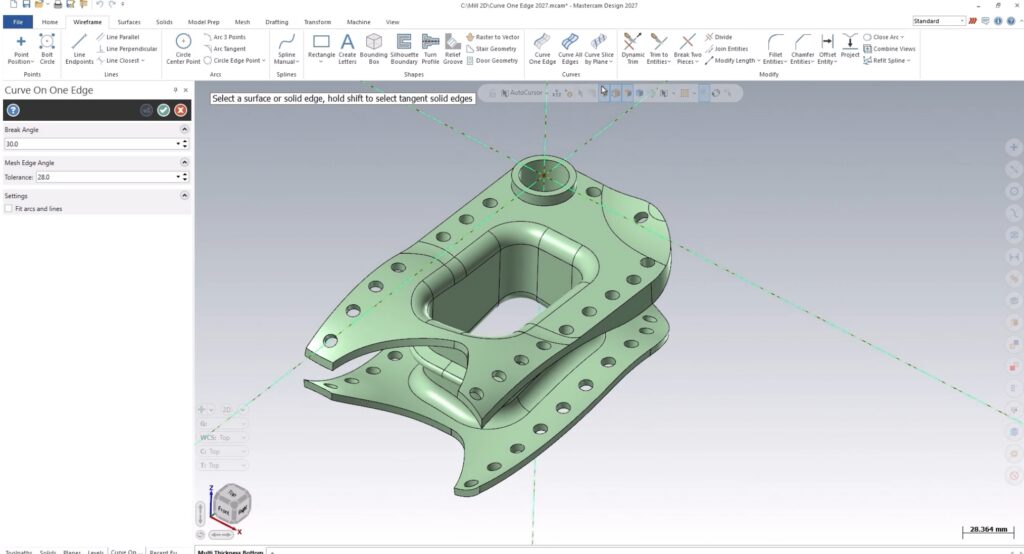
Mastercam 2027 also introduces enhanced edge-order control through the Preserve Order option, making it easier to optimize toolpath sequencing for production environments.
Join Us for Future Webinars
Looking for more tips, tricks, and expert insights from Mastercam applications engineers?
Our webinars regularly cover advanced machining strategies, productivity enhancements, new software features, and real-world programming techniques designed to help you get more from your manufacturing processes.
Be sure to register for our upcoming webinars and stay connected with the latest Mastercam innovations!