Featured Stories
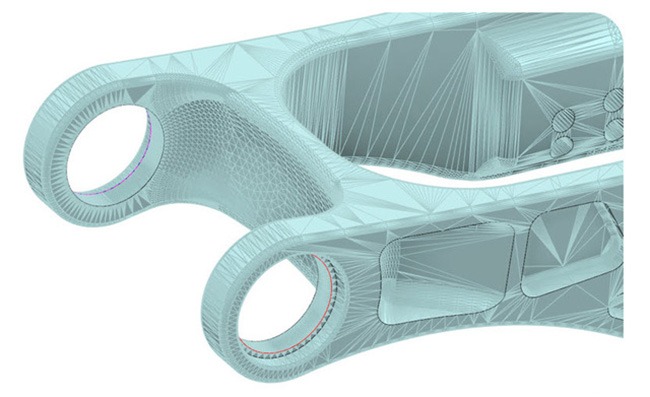
5 Mastercam CAD Features You Need to Know
CAD software, or computer-aided design software, is the tool that designers, engineers, and programmers use to model parts virtually. With CAD, you can create models from scratch, modify and optimize existing models, and even reverse-engineer physical parts. When a shop uses its CAD software efficiently, it can maximize output, part quality, and profits. Find out how to get the most out of your Mastercam CAD…
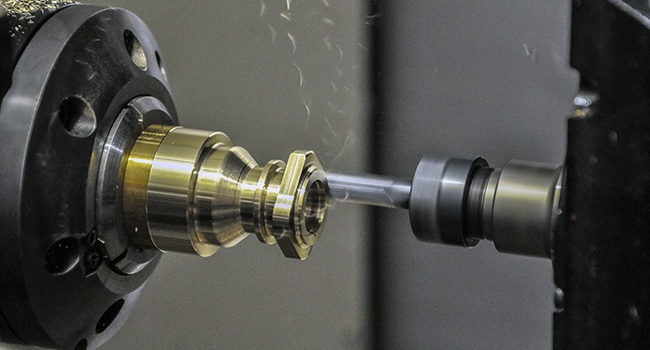
Milling, Turning, and Mill-Turn: What are the Differences?
Choosing which kind of CNC machining to use — mill, lathe, or mill-turn — can be overwhelming. All three techniques are forms of subtractive manufacturing; they cut material away rather than add material on, unlike additive processes like 3D printing. But what sets them apart from each other? Mostly, the answer lies in how they remove that material and which piece rotates: the cutter or…
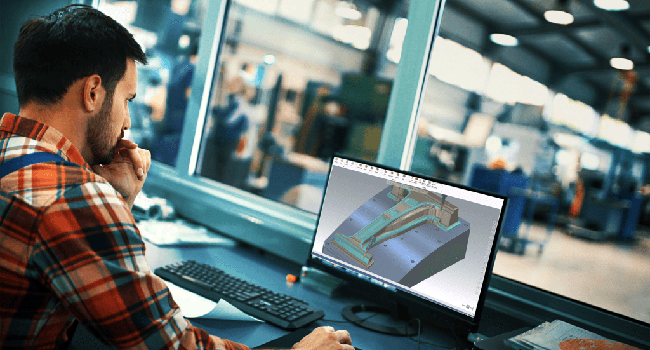
How to Download CAD/CAM Software for Free
Manufacturers use CAD/CAM software to create parts ranging from those small enough for delicate surgeries to those so large they require a crane to move. The CAD portion – or Computer-Aided Design – allows users to reverse engineer parts from physical samples, virtually modify existing parts, and create entirely new models from nothing. The CAM – or Computer-Aided Manufacturing – creates code to run the…
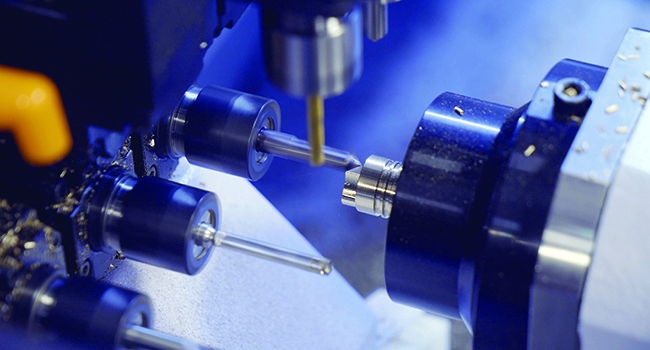
What is Swiss Machining?
Swiss machining is similar to conventional turning on a lathe, but the difference lies in how the stock material is moved and supported. A standard lathe with a fixed headstock is designed only to spin the stock material; aside from its rotation, the material is held perfectly still in its collet. The cutting tool is the part that moves along the material to make the…
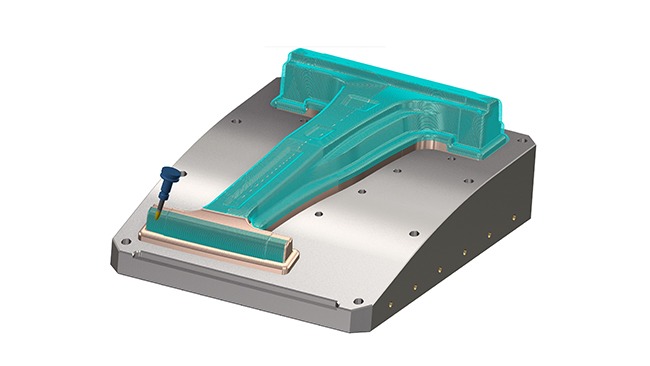
Automotive CNC Machining: What You Need to Know
It’s been almost 150 years since the first gas engine automobiles drove down the street, and in that time, the automotive industry has made incredible leaps. Just as the automotive industry was perfecting self-driving vehicles and discovering new, high-tech materials, though, it was stopped in its tracks. COVID-19, the blockage of the Suez Canal, and the ongoing microchip shortage all brought automotive manufacturing to a…
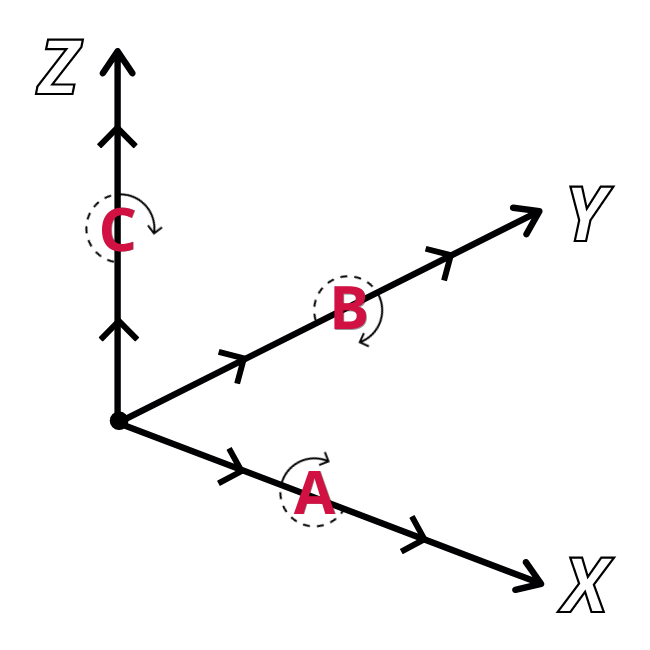
What are the Axes in 5-Axis Machining?
Five-axis machining is taking the machining world by storm, and for good reason. This type of manufacturing, in which computer numerical control is used to move cutting parts or tools along five different axes simultaneously, unlocks incredible potential for any shop. Five-axis machining reduces labor hours, eliminates extra setups, increases production efficiency, and results in beautiful, complex parts. Understanding 5-axis machining is less simple, though.…
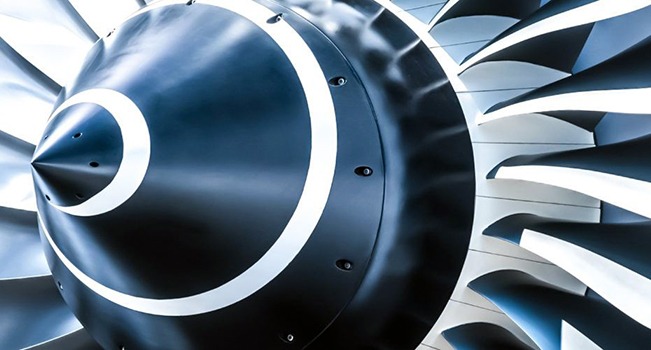
CNC Machining for the Aerospace Industry: What You Need to Know
The aerospace industry encompasses not only all things aviation and flight, but also aircraft operations in space, and it services the private, commercial, and government defense sectors. In 2019 alone, the industry contributed over $900 billion to the U.S. economy and employed over 2 million people, according to the Aerospace Industries Association. In 2020, however, the industry took the biggest downturn in its history when…
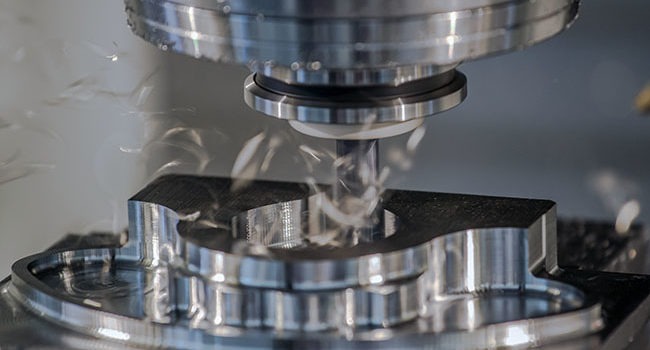
What is CAM for Milling?
CAM for milling is one of the most commonly used techniques in the manufacturing world for producing parts to extremely precise shapes and sizes, because it combines two powerful tools: milling and CAM software. Milling is a type of subtractive machining process, meaning that it removes material from a workpiece. It does this by using a spinning tool like an endmill to cut the stock…
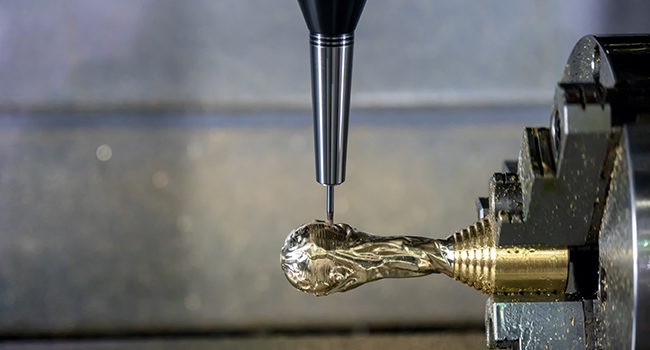
5 Mastercam Multiaxis Concepts You Need to Know
Mastercam Multiaxis add-on is designed to provide practical multiaxis machining strategies for simultaneous 4- and simultaneous 5-axis machining. It’s available for add-on for Mastercam Mill 3D, Mastercam Router 3D, Mastercam Mill-Turn, and Mastercam for SOLIDWORKS. Its interface is intuitive, but savvy users can maximize their multiaxis proficiency by diving into these five concepts. 1. 3 + 2 Machining 3 + 2 machining is not necessarily…
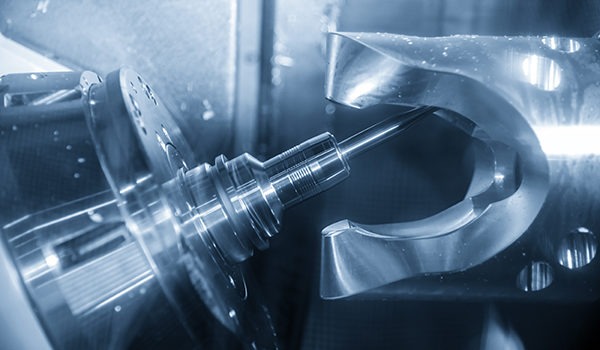
Multiaxis Machining 101: How It Works and Its Benefits
As automation and Industry 4.0 take the manufacturing world by storm, multiaxis machining is becoming a common topic of discussion in shops globally. The reason? Multiaxis machining enables faster, more complex machining with less human labor. What is Multiaxis Machining? Traditional milling has been around for over 200 years, but 3-axis milling was not invented until 1861, when Brown & Sharpe created the Universal Milling…
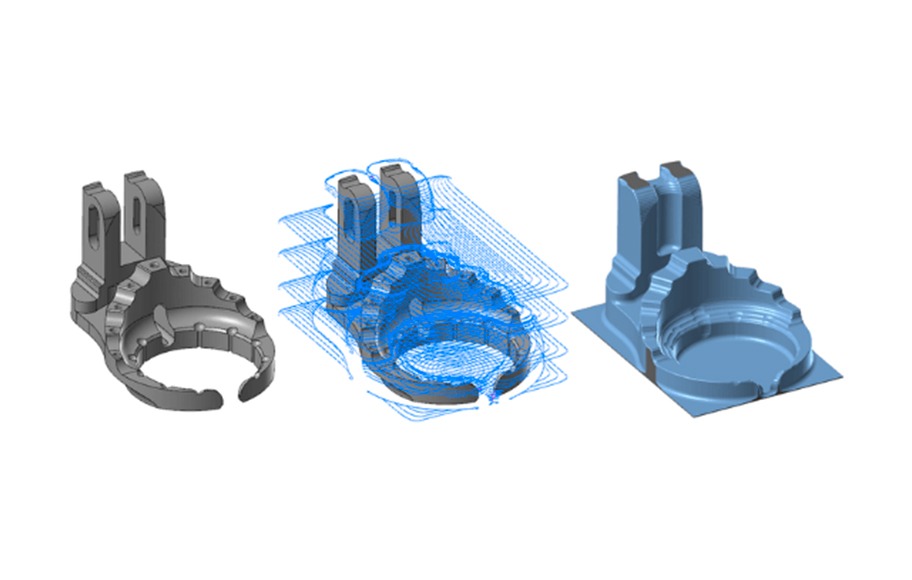
How Mastercam OptiRough Can Save You Hours of CNC Programming Time
CNC programmers spend a portion of their time in an office environment programming complicated parts before they can be machined. Reducing programming time frees up CNC programmers to program more parts and allows them to be more hands-on throughout the machining process. Thanks to the updates with Mastercam OptiRough in our latest release, more CNC programmers have access to this time-saving tool. What is Mastercam…
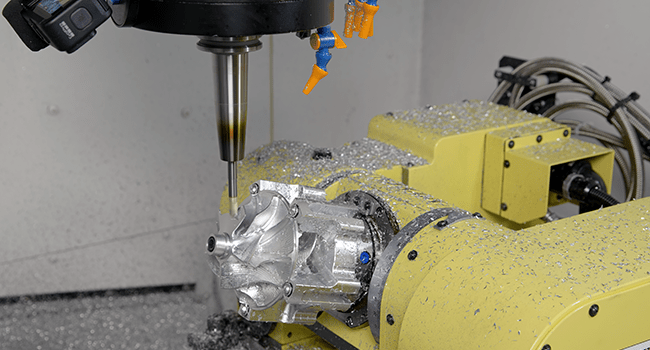
5 Common Multiaxis Myths
Few techniques are more touted or more feared in the subtractive manufacturing industry as multiaxis machining. Sometimes it can seem like it’s best to leave multiaxis to the big players—international aerospace manufacturers and giant defense shops—because it seems like they’re the only ones equipped for it. But so many of the ideas that circulate about multiaxis machining are really myths. We are here to bust…