Featured Stories
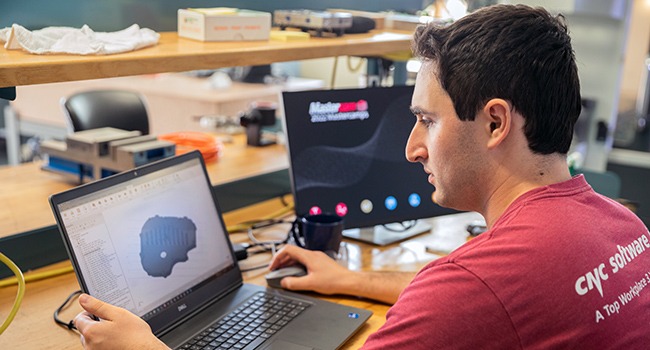
Have You Tried These New Mastercam 2023 Multiaxis Features?
As more and more shops adopt multiaxis practices, we have invested more into improving our Multiaxis product. Explore these three new Mastercam 2023 Multiaxis tools, created with users like you in mind. Unified Multiaxis Toolpath Boosting efficiency begins the moment a part file is opened in Mastercam. Instead of requiring a user to spend extra time and mouse miles searching through multiaxis options, all of…
6 Tips to Streamline Workflow in Mastercam 2023
Mastercam 2023 is the latest edition of the world’s leading CAD/CAM software, intentionally upgraded to make programming fast and easy. It prioritizes streamlining workflow so that the entire machining process – from design to QC – is as efficient as possible. Explore these six tips and features to help you maximize the benefits of Mastercam 2023. 1. Unified Multiaxis Toolpath Imagine almost completely programming a…
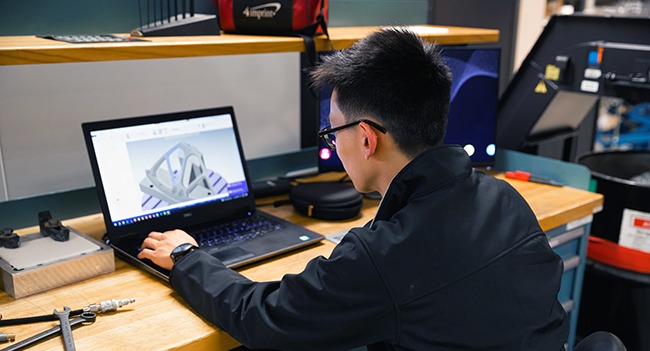
10 Mastercam 2023 Features You Need to Know
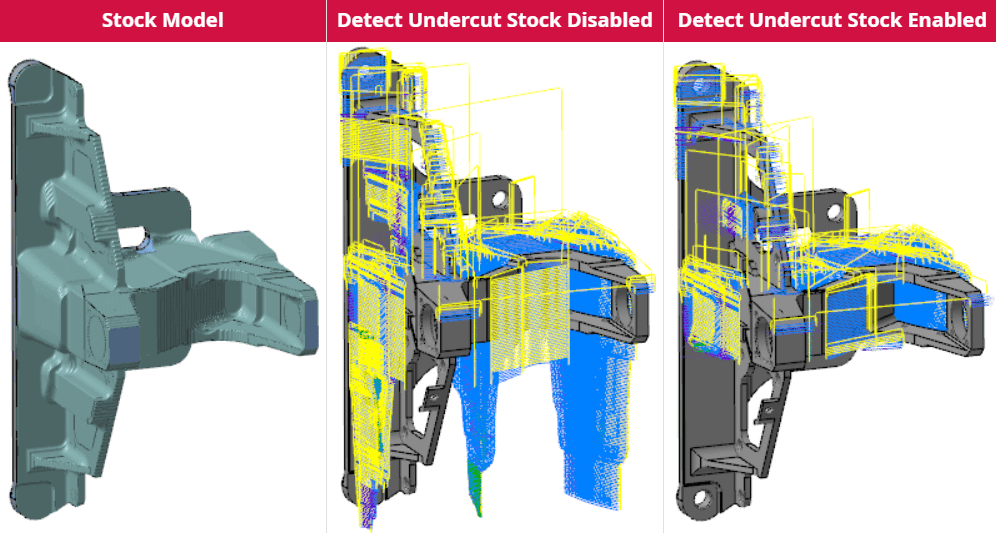
Mastercam 2023 is here to elevate your machining experience with powerful toolpaths, faster organized set ups, flexible tool motion, and our most intuitive interface yet. Here are the top 10 new Mastercam 2023 features — and how they can help you. 1. OptiRough Detecting Undercut Stock When Machining In Mastercam 2023, achieving optimized motion is a matter of turning on a switch. The Dynamic OptiRough…
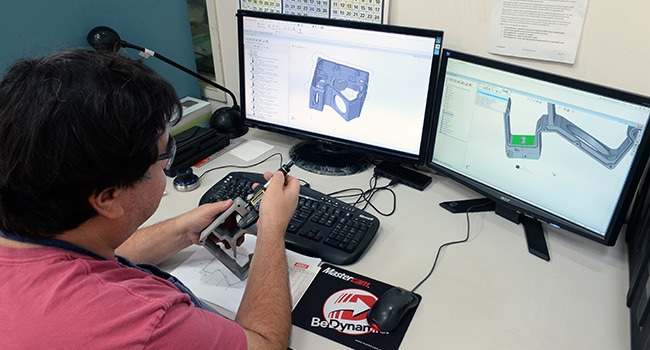
How to Upgrade after Using Mastercam for SOLIDWORKS
Mastercam for SOLIDWORKS is a product that combines Mastercam’s innovative CAM technology with SOLIDWORKS’ CAD tools. It is available for the Mastercam Mill, Lathe, and Router products. The product will be retired and will sunset with Mastercam for SOLIDWORKS 2023 on December 31, 2022. If this update will affect you, read on to learn how you can find the same quality CAD/CAM processing without this…
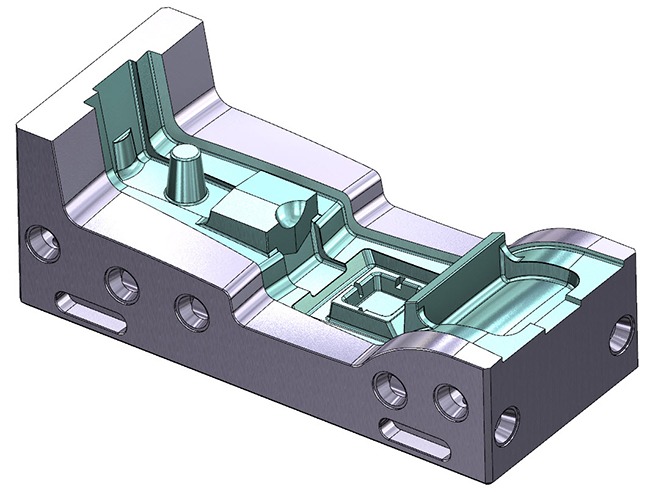
Everything You Need to Know About CNC Machining for Injection Mold Making
What is injection molding? Injection mold making is the go-to method for mass-producing plastic parts. The process is streamlined to maximize cost savings and part production. First, pelletized material is placed into a heated container to turn molten. It is mixed with a helical screw to maintain a smooth consistency and to speed up the heating process. The liquid is then pumped – or injected…
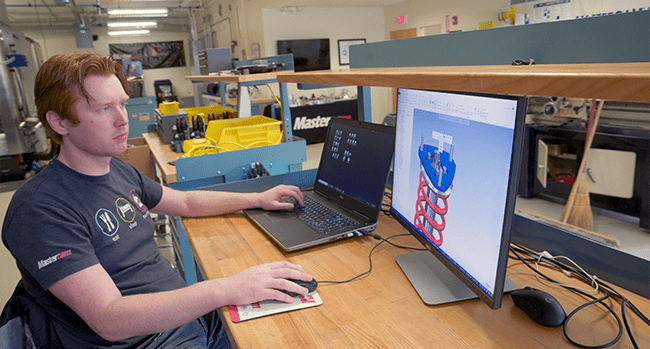
Multiaxis FAQs with Multiaxis Product Owner Dylan Gondyke
Dylan Gondyke is the Mastercam Multiaxis Product Owner. He grew up in Eastern, Connecticut and entered the manufacturing industry at the age of 16, where he was immediately drawn to programming and process automation. His early experiences during the technology shift of the mid-2000s spurred a passion for building better tools and workflows for the end-user. He worked for aerospace companies across New England before…
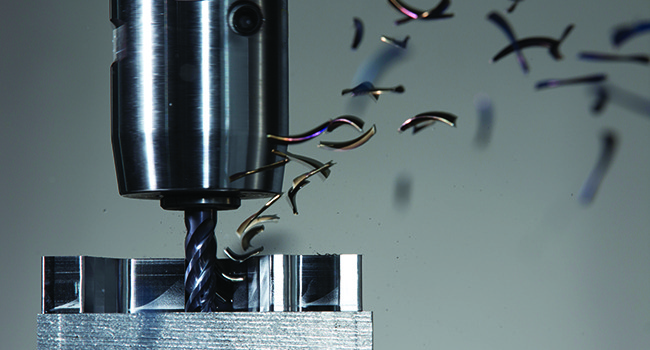
3 Mastercam Mill Features You Need to Know
The majority of modern machined parts are produced with milling, in which a rotating cutting tool advances into the workpiece to cut away excess stock. Milling software is CAM (computer-aided manufacturing or computer-aided machining) software that specifically focuses on mill techniques. We developed Mastercam Mill Solutions to provide powerful, stock-aware toolpaths and machining strategies for milling operations. It offers wireframe, surfaces, solids, and mesh design…
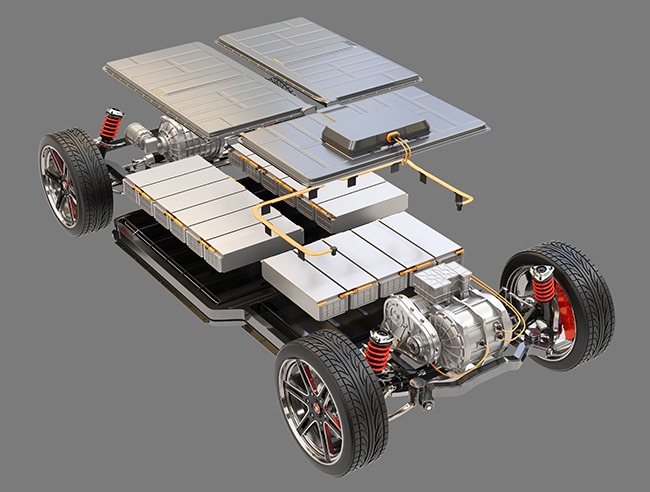
Electric Vehicles and CNC Machining: What You Need to Know
The push for electric vehicles (EVs) is nothing new, but few expected the arms race Tesla would spark in the automotive world with their aggressive development. Now, IHS Markit predicts that 25 percent of all passenger vehicles sold worldwide will be electric by 2030. Others predict that even more will be sold by then. Currently, the inventory of automobiles, in general, is less than demand…
Post Processing for CAD/CAM Software: Your Complete Guide
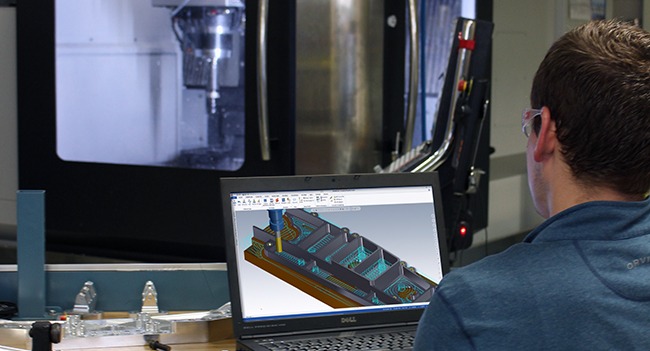
CAD/CAM software is a combination of computer-aided design (CAD) software and computer-aided machining (CAM) software. CAD creates the design geometry, and then CAM takes the design intent and produces optimum toolpath strategies to subsequently drive the CNC Machine. Most CAD/CAM systems are machine-independent, meaning the user is required to pass the intermediate format (Cutter Location, CL Data) through a post processor to produce the correct G-Code for…
Mastercam 2023 Public Beta: 3 Features to Explore
The Public Beta program for Mastercam 2023 is now available. Here’s a look at how to participate in our Public Beta program and the top new features we’re most excited for you to try in Mastercam 2023 Public Beta. How To Access Mastercam 2023 Public Beta If you’re a maintenance user, you can log in to your Mastercam account and download the free Public Beta…
5 Ways to Improve Productivity with 5-axis Machining
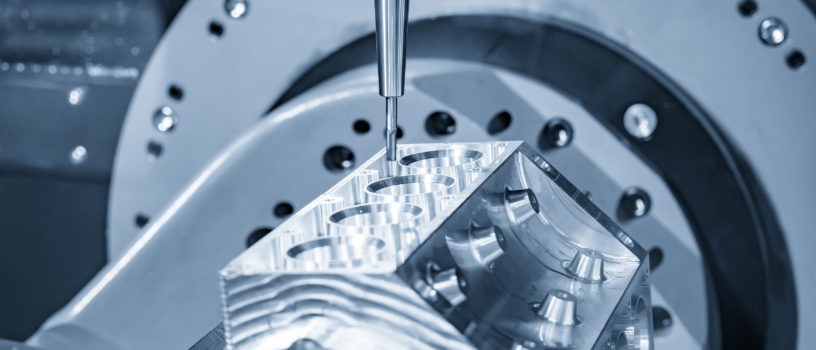
Multiaxis machining is defined by the motion of the cutting machine. A multiaxis machining center can move either its cutting tool or workpiece not only along the three basic linear axes (X, Y, and Z), it can also use the rotary axes (A, B, and/or C) around each of the linear axes. With 5-axis machining, programmers can take advantage of the three linear axes and…
CNC Machining for the Medical Industry: What You Need to Know
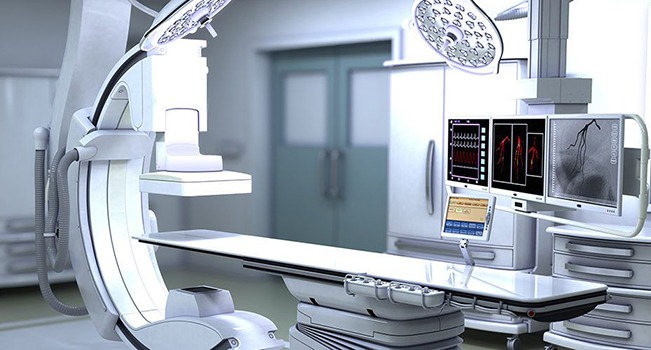
The medical manufacturing industry faced a war on multiple fronts during the pandemic. Just as demand for medical supplies like masks and respirators was at its highest – and unexpectedly, too – employment dropped and supply chains were broken. Manufacturers were expected to continue to produce high-quality, high-precision medical products even as they struggled to acquire materials, staff their shops, and even ship the finished…